Public Distribution System (PDS) & Ration Card Benefits : How to Access Subsidized Food in India

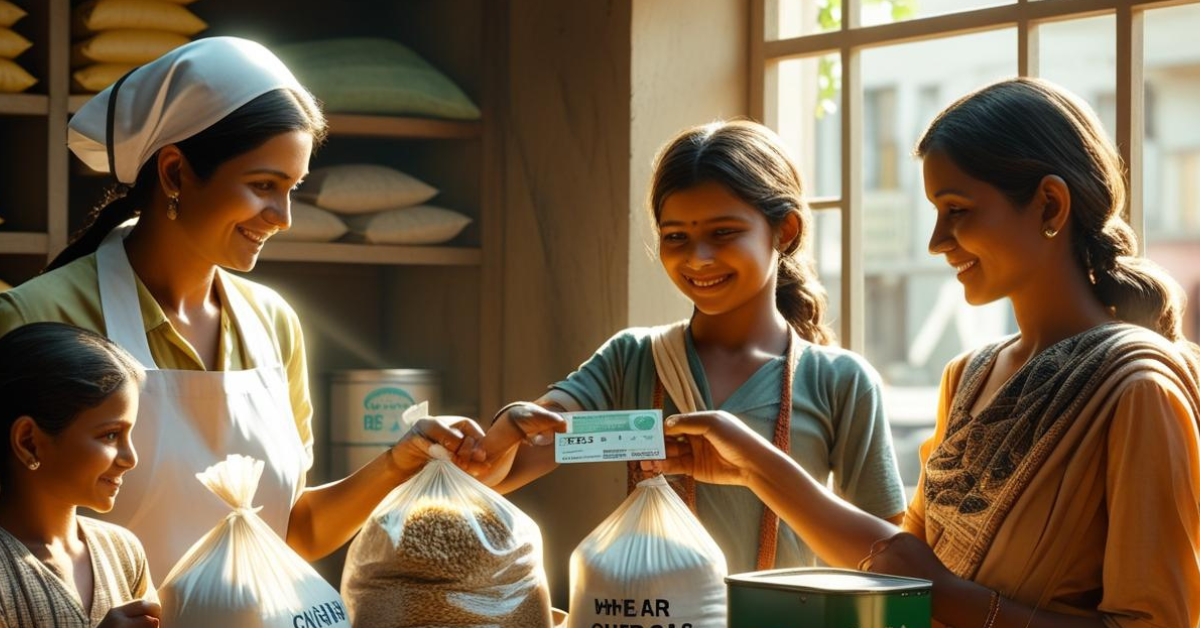
Access to affordable food is a basic need, but for many low-income families in India, it can be a struggle. The Public Distribution System (PDS) is a government program that provides subsidized food grains and essentials to eligible families through ration cards. If you have a ration card, you can buy rice, wheat, sugar, and other essentials at very low prices.
In this post, we’ll explain how PDS works, who can get a ration card, how to apply, and tips to make the most of these benefits.
What is the Public Distribution System (PDS)?
PDS is a government-run program aimed at distributing essential food commodities at subsidized prices to poor and vulnerable sections of society. It helps reduce hunger and food insecurity by making basic items affordable and accessible.
What is a Ration Card?
A ration card is an official document issued by the government that identifies eligible households under the PDS. It acts as your entry pass to access subsidized food grains and other benefits under various welfare schemes.
Types of Ration Cards
- APL (Above Poverty Line): For families who are relatively better off but still get some subsidized items.
- BPL (Below Poverty Line): For economically weaker families; these cards offer higher subsidies and more items.
- Antyodaya Anna Yojana (AAY): For the poorest of the poor, offering the highest level of subsidy.
Who Can Get a Ration Card?
- Families living below the poverty line or low-income households.
- People who meet the state government’s eligibility criteria.
- Residents who do not already hold a ration card (new applicants).
- Eligibility criteria and benefits vary slightly by state.
How to Apply for a Ration Card?
Step 1: Check Eligibility
Visit your state’s Food and Civil Supplies Department website to understand the eligibility rules.
Step 2: Collect Documents
Prepare documents like proof of identity (Aadhaar, voter ID), address proof, income certificate, and passport-size photos.
Step 3: Submit Application
You can apply online through your state’s official portal or visit your local ration card office (Civil Supplies Department).
Step 4: Verification Process
Authorities will verify your documents and conduct a household survey if needed.
Step 5: Receive Your Ration Card
Once approved, you’ll receive your ration card that lets you buy subsidized food grains from the nearest Fair Price Shop (FPS).
What Benefits Do You Get with a Ration Card?
- Subsidized food grains like rice, wheat, sugar, and kerosene.
- Access to government welfare schemes related to food security.
- Discounts vary based on the type of ration card you hold.
Tips to Make the Most of Your Ration Card Benefits
- Always check the monthly allocation from your local Fair Price Shop.
- Keep your ration card safe and share it only with trusted family members.
- Report any irregularities or shortages to the local authorities or grievance redressal cell.
- Many states offer mobile apps or SMS services to check your ration balance and entitlement.
Common Issues and How to Solve Them
- Delay in card issuance: Follow up with your local office or use online grievance portals.
- Corruption or misuse: Report to consumer helplines or higher authorities.
- Duplicate or fake ration cards: Inform authorities immediately to avoid misuse of your benefits.
Conclusion
The Public Distribution System and ration cards are vital tools to ensure food security for millions of Indian families. If you qualify but don’t have a ration card yet, apply today and start saving on essential food items.
CrunchyFin is committed to helping you navigate these government programs easily, so you can protect your family’s financial health.